
Whole-Body Cryotherapy in Winter: What It May Help With, What It Doesn’t, and Who Should Avoid It
By the EK Cryo Wellness Team
Winter is when most people come to us asking whether cryotherapy is right for them. Some have heard it described as a recovery tool for sore muscles. Others have seen broader claims online — about metabolism, weight loss, or skin rejuvenation — and want to understand what is actually supported. This guide answers that question honestly. We tell you what whole-body cryotherapy may help some people with, what it does not do, and who should not use it. This is not a sales page. It is a straight account of what the evidence currently shows.
This article is for general information only. It is not medical advice. If you have a health condition, please consult your GP before booking cryotherapy.
What Whole-Body Cryotherapy Is
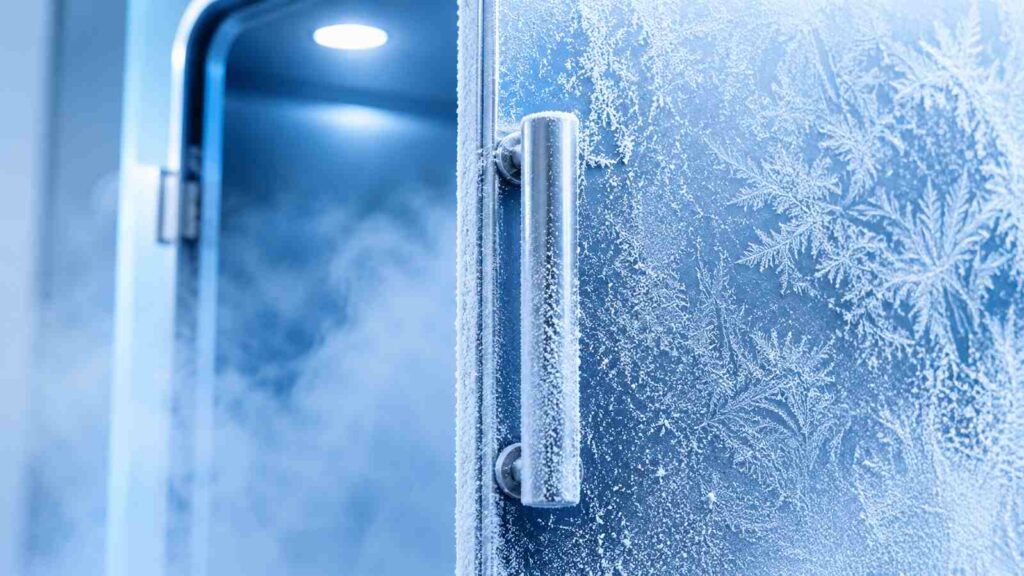
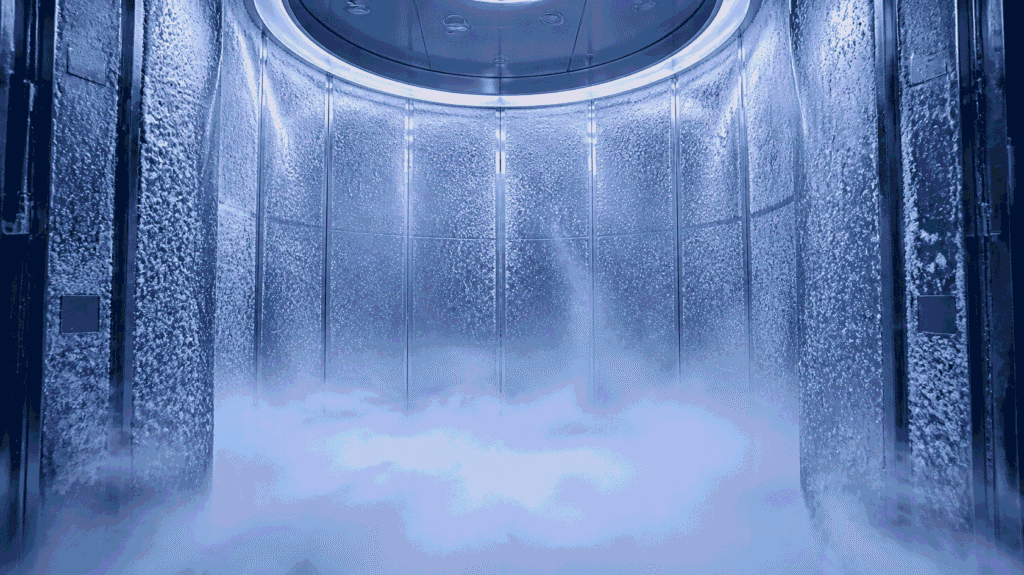
Whole-body cryotherapy (WBC) involves brief exposure — typically 2 to 3 minutes — to very cold air in an enclosed chamber. Temperatures inside the chamber can reach -110°C to -140°C. You are not immersed in liquid; you breathe normally throughout. The session is short, the cold exposure is controlled, and you are monitored at all times.
At EK Cryo, we work with clients on a session-by-session basis. We carry out a screening consultation before anyone uses the chamber, and there are clear contraindications — conditions that make cryotherapy unsuitable — that we apply strictly.
What Cryotherapy May Help With in Winter
We use the word “may” deliberately throughout this section. Cryotherapy research is ongoing, findings vary between individuals, and we do not make medical claims. What we can share is what many of our clients report and what current evidence suggests may occur in some people.
Post-exercise recovery. This is the area with the most consistent client feedback and the most research interest. Some clients who use cryotherapy after intensive training report feeling less sore than usual in the days that follow. The proposed mechanism involves the cold exposure causing blood vessels to narrow, then dilate after the session ends — which some researchers suggest may support the removal of metabolic waste products from muscles. Individual experiences vary significantly.
Feeling refreshed after a session. Many clients report a sense of alertness and energy in the hours after a cryotherapy session. Some attribute this to the brief physiological stress of cold exposure. This effect is not universal, and we do not know exactly why it occurs in some people and not others. What we can say is that it is one of the most commonly reported experiences across our client base.
Sleep quality. A smaller number of clients report improved sleep following regular cryotherapy sessions. This is not something we can promise or predict. If sleep is a primary concern, cryotherapy alone is not a sufficient or evidence-based intervention — speak to your GP about appropriate options.
Winter wellness as a routine. Some of our clients use winter cryotherapy as part of a broader recovery and wellness routine — alongside exercise, good sleep, and appropriate nutrition. Used in this context, as one element of a consistent routine rather than a standalone fix, some people find it supports how they feel through the colder months. This is a personal choice and not a medical recommendation.
What Cryotherapy Does Not Do
We want to be direct about this. Cryotherapy has been marketed in ways that go beyond what the evidence supports, and in the UK, the Advertising Standards Authority has acted against businesses making claims that cannot be substantiated. We do not make these claims, and we want clients to come to us with accurate expectations.
Cryotherapy does not burn significant calories. A 3-minute session at extreme cold will cause some short-term thermoregulatory response in the body, but the idea that it replaces exercise for weight management is not supported by evidence.
Cryotherapy does not treat medical conditions. It is not a treatment for arthritis, depression, anxiety, or any diagnosed condition. If you have been told otherwise by any provider, we would encourage you to seek a second opinion from your GP.
Cryotherapy does not remove fat from specific areas. Claims about targeting belly fat or cellulite through whole-body cryo are not substantiated by clinical evidence.
Cryotherapy is not an anti-ageing treatment in any medical sense. Some clients report their skin feeling improved after sessions, but this is a subjective experience, not a clinically proven outcome, and we do not market it as one.
Cryotherapy Versus Cold Plunge: What Is the Difference?
We are often asked how whole-body cryotherapy compares to cold plunge (ice bath) therapy. Both involve brief cold exposure. The key differences:
- Temperature and mechanism: WBC uses cold air at extreme temperatures (-110°C and below). Cold plunge uses cold water, typically 10-15°C. Water conducts cold more efficiently than air — a cold plunge at 10°C can feel more intense than cryotherapy at -100°C.
- Duration: WBC sessions are 2-3 minutes. Cold plunge sessions are typically 5-15 minutes. The shorter WBC session is more tolerable for many people.
- Body coverage: In WBC, the head is usually above the chamber opening and not exposed to the cold. In cold plunge, full immersion is common. This may be relevant for people with certain sensitivities.
- Evidence: Cold water immersion has a longer research history. WBC research is growing but less established overall.
Neither method is universally better — the right option depends on your goals, your health, and what you can consistently commit to. We offer a free consultation if you want to discuss which approach suits you.
Who Should Avoid Cryotherapy
Cryotherapy is not suitable for everyone. We screen every client before their first session. You should not use whole-body cryotherapy if you have any of the following, without prior written consent from your GP:
- Uncontrolled high blood pressure
- Cardiovascular disease or a history of heart attack or stroke
- Raynaud’s syndrome or cold urticaria (cold allergy)
- Active infection or fever
- Pregnancy
- Open wounds or skin conditions affecting large areas of the body
- Peripheral arterial disease
- Claustrophobia severe enough to cause distress in an enclosed space
This list is not exhaustive. If you have a diagnosed health condition of any kind, please consult your GP before booking. We will also conduct our own pre-screening — but we ask that clients take responsibility for disclosing relevant health information at the time of booking.
Book a Free Consultation at EK Cryo
If you are considering cryotherapy and want to understand whether it is appropriate for you, start with a free consultation. We will talk through your health, your goals, and what a session involves before you commit to anything.
Book a Free ConsultationFrequently Asked Questions
What are the downsides of cryotherapy?
The main risks associated with cryotherapy include skin irritation or mild burns from improper exposure, frostbite if skin contacts extremely cold surfaces without protection, and adverse cardiovascular responses in people with underlying conditions. Cryotherapy is not suitable for people with certain health conditions — see the full contraindications list above. It is also not a replacement for medical treatment, and clients who come expecting it to treat a diagnosed condition are likely to be disappointed. As with any wellness intervention, the experience varies between individuals: some people find it highly beneficial, others notice no particular effect.
Can cryotherapy help with belly fat?
No. Whole-body cryotherapy does not target or remove fat from specific body areas. Claims about cryotherapy reducing belly fat or cellulite are not supported by clinical evidence. If you have seen this claim made by another provider, we would encourage scepticism. Sustainable fat loss requires a consistent caloric deficit and regular exercise — cryotherapy is not a shortcut to either.
What happens to your body after cryotherapy?
After a cryotherapy session, your body temperature begins returning to normal within minutes. Blood vessels that constricted during cold exposure dilate as the body warms. Many clients report a feeling of warmth and increased energy in the 30 to 60 minutes after a session. Some experience a mild mood lift or increased alertness. These effects are subjective and vary between individuals. In the hours that follow, some clients who used the session for recovery report less muscle soreness than expected. There is no evidence of any harmful physiological effect in healthy, screened individuals following a standard session.
Is cryotherapy or cold plunge better in winter?
Neither is universally better — it depends on your goals, your tolerance, and what you can commit to consistently. Cold plunge has a longer research history and some people find it more tolerable because the exposure is more gradual. Whole-body cryotherapy is shorter (2-3 minutes versus 5-15 minutes), which some clients prefer. In winter, some people also prefer avoiding water immersion for comfort reasons. We offer a free consultation to help you decide which approach suits your situation.